
Join us next week to hear how data can help us respond better to UK wildfires
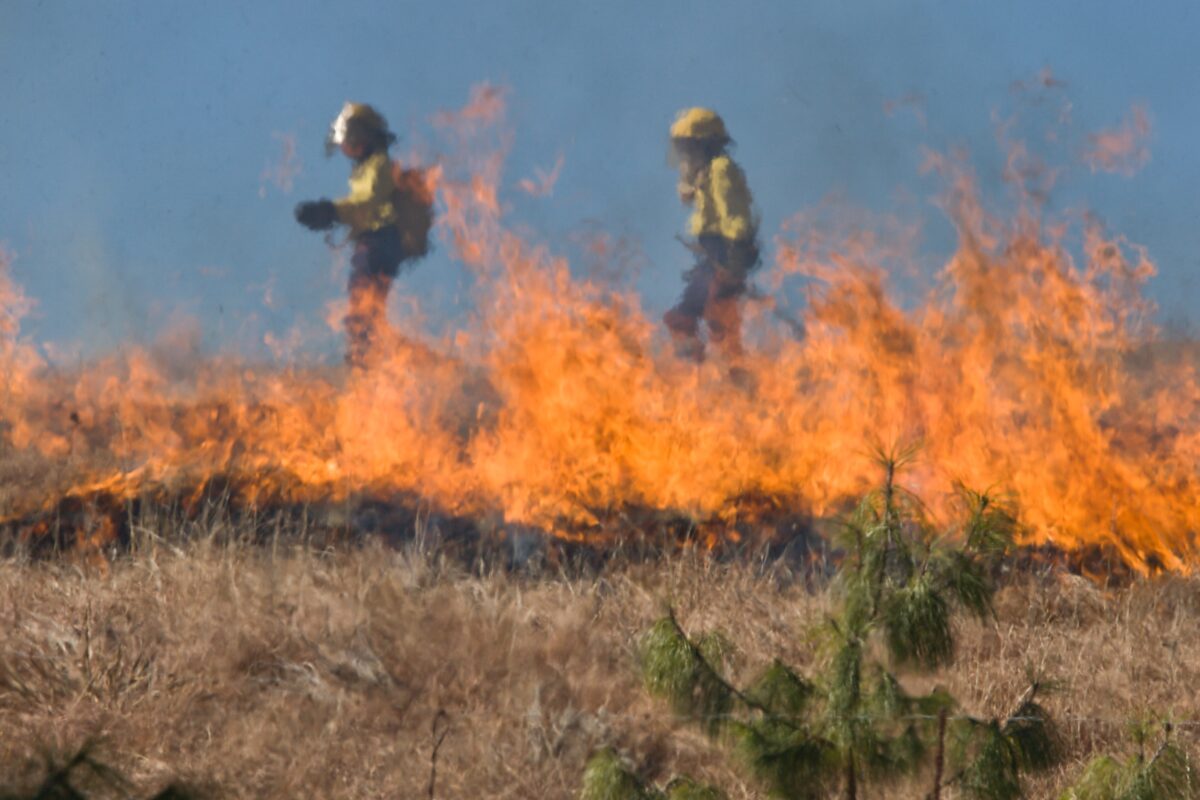
After a summer of record temperatures, A&E admissions and time without rainfall, it is perhaps no surprise that the number of wildfires in England and Wales this year has surpassed the total recorded for the whole of 2025.
In Greater Manchester, a major incident was declared by Greater Manchester Fire and Rescue on 13 July as they responded to a fire on moorland near Dove Stone Reservoir on Saddleworth Moor. A separate fire started the following day near Swineshaw Reservoir at Glossop, and the multi-agency team tackling both incidents was only stood down on 3 August, though firefighters remained there to continue monitoring conditions.
The National Fire Chiefs Council said that by 10 August, their teams had responded to 966 wildfires across England and Wales, including 185 in the first 10 days of August.
Days later, the UK government led by new PM Andy Burnham brought together an emergency COBRA meeting of senior officials and issued an unprecedented ‘severe alert’ warning message about wildfires sent directly to people’s phones. Measures included a temporary ban on the sale of disposable BBQs but they were criticised by WWF and End Fuel Poverty Coalition for failing to grapple with the root causes of extreme heat.
Many of us can only look on, see the smoke and try to decide whether or not to close our windows, but many are doing their part by trying to understand the conditions that make wildfires possible, the impacts they can have on people and planet, and what we can do to prevent them.
On Tuesday 29 September, we’ll hear from leading local experts on the different ways that data can help us understand what wildfires, and extreme heat, mean for people in the UK and beyond.
- Clare Nolan, Strategic Risk Analyst – Greater Manchester Fire and Rescue who has been compiling data related to the Greater Manchester wildfires.
- Dr. Gail Millin-Chalabi, GIS, Mapping and Earth Observation Community Lead at the University of Manchester, will be talking about mapping and Earth Observation data techniques for wildfires.
- Dr Congbo Song is a Research Scientist with the National Centre for Atmospheric Science (NCAS) at the University of Manchester, focusing on atmospheric data science and air quality analytics. He will present key findings on indoor and outdoor air pollution impacts during the recent wildfires across Greater Manchester.