
We hear about the Index of Multiple Deprivation (IMD) all the time. It appears in government announcements, funding bids, policy papers and local authority strategies. It helps shape decisions about

03
Jun
Jun
In 2010, we published an article asking “why open data”. Back then, open data was still a relatively new idea. A small number of cities had started publishing transport feeds,

03
Jun
Jun
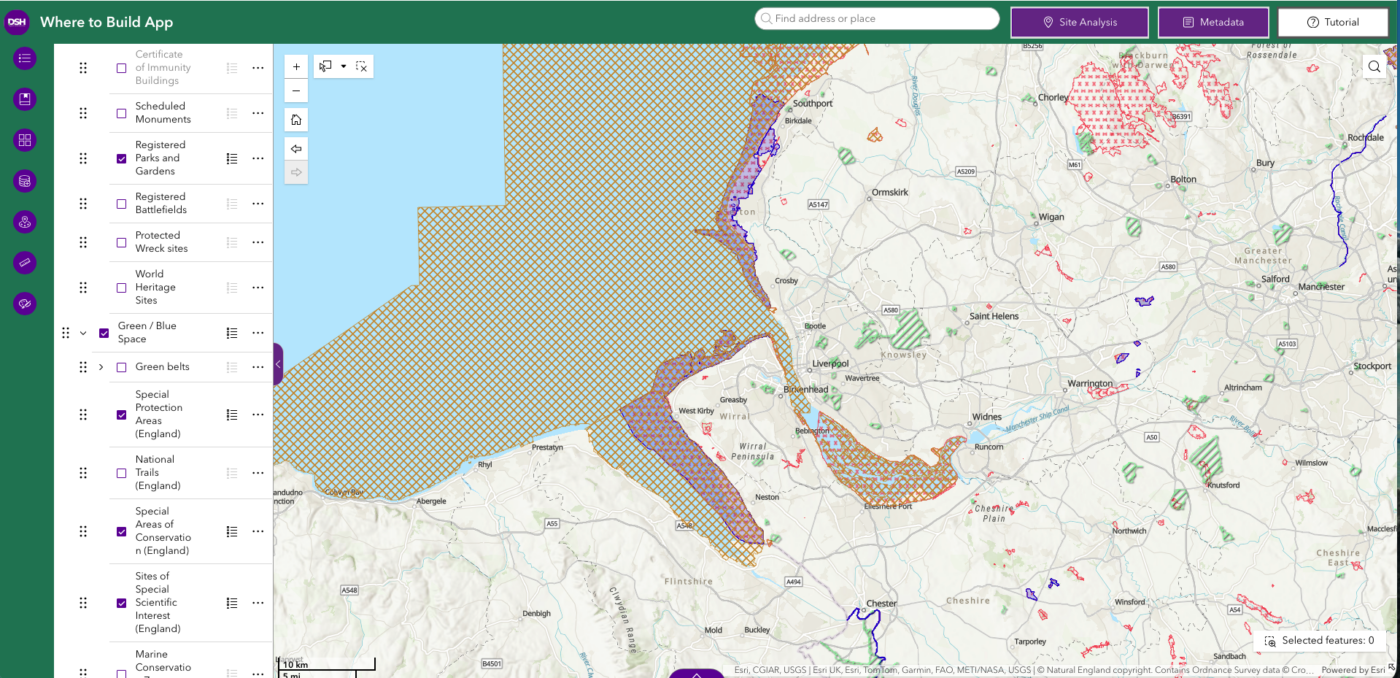
Open Data Manchester has submitted four responses to the UK’s National Action Plan (NAP7) consultation, exploring how openness, accountability and participation can keep pace with changes in public service delivery,
25
Apr
Apr
We are not short of data. There is more information than ever about climate, health, and our communities. But making sense of it, and actually using it, is still surprisingly

31
Mar
Mar
Data has traditionally been used as a tool of management and control. Nowhere is this more visible than in the measurement of deprivation. The Index of Multiple Deprivation (IMD) is
25
Mar
Mar
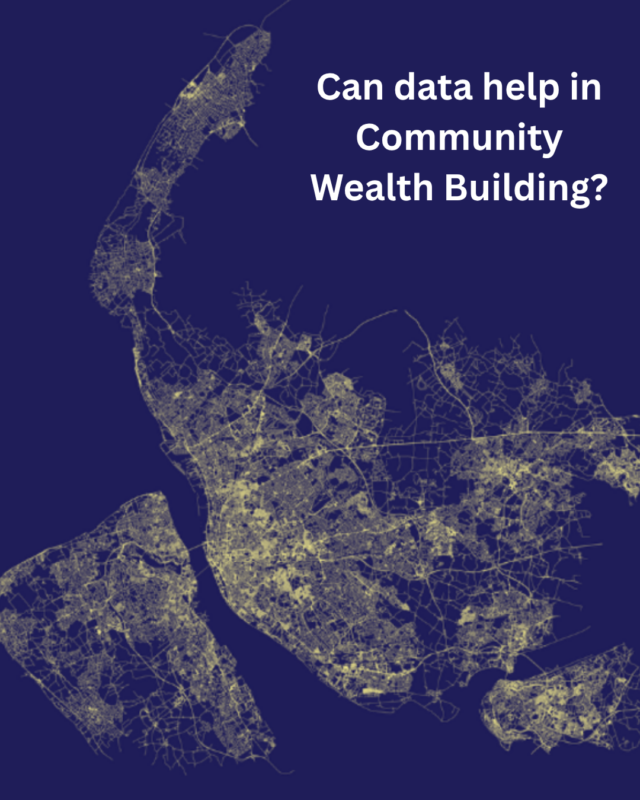
What happens when we start to see how money really moves through our communities? Local economies are under pressure. Budgets are tight, inequality is rising, and yet huge amounts of
25
Feb
Feb
Data has traditionally been used as a tool of management and control. In cities especially, data determines how things work, where intervention should happen and how impact should be measured.

16
Aug
Aug
Toyebat Adewale, our User Researcher and Community Engagement Worker, attended Open Data Camp 9 this year. She wrote this insightful blog about her experience: Ok, so I won’t list 101

23
Jul
Jul
An important part of Open Data Manchester’s work helps to strengthen democratic processes. This may be through exploring the data around representation, understanding data through Election Hack or helping public

14
Jun
Jun
In early June, Open Data Manchester took the train to London to take in the Stronger Things 2024 conference, hosted by New Local at Guildhall. The conference brought together changemakers,
- 1
- 2