The Data Cooperative Working Group met in July to explore the relationship between data cooperativism and ‘Indigenous Data Sovereignty’.
In many non-Indigenous contexts, data cooperatives focus on the rights of individuals and groups in relation to the collection of data. Indigenous Data Sovereignty asserts the rights of Indigenous Peoples, communities and Nations to govern the collection, ownership and application of data created with or about their lands, communities and non-human relations.
The aim of this session was to bring cooperativist governance principles into conversation with Indigenous data governance frameworks like CARE, and hear directly from practitioners and community partners about what this looks like in practice — not as an abstract policy debate, but as lived experience.
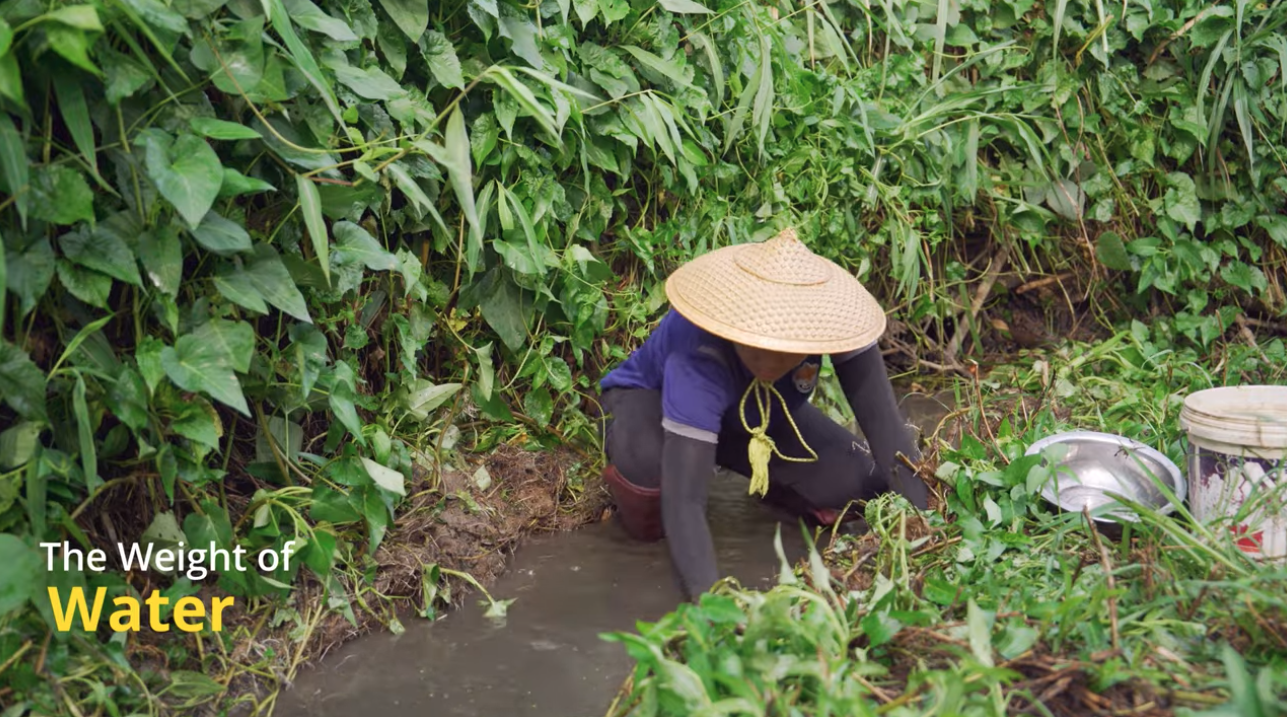
The Weight of Water
To set up the discussion, we started with a screening Weight of Water, which was made with Indigenous women as part of the Open Development Initiative’s Women in Water Governance Platform Project.
We then heard from Saowalak Jingjungvisut, who has been working with women-led community groups along the Mekong River Basin in Northern Thailand, where they are tackling issues around mining and other activity affecting local water.
Storytelling as data, data as leverage
What came through most strongly in Saowalak’s account was how central storytelling has been to the whole process of data collection, analysis and distribution.
Rather than treating data collection as a technical exercise, the approach has been to build narratives that communities can own and use, to build their confidence in influencing policy.
Mobile phones shifted from casual conversation devices to tools for documenting and sharing issues that could directly inform policymakers.
Women leaders, who were already representing their communities’ needs, were central to this. They worked alongside partner organisations to build this confidence to represent local concerns using data and evidence.
None of this has been without risk. Communities across the world that are challenging mine owners and other powerful interests face real risks to their safety.
From scattered information to community-owned platforms
One of the clearest benefits for communities is the data itself. Before the Women in Water project, the recurring challenge was that the information needed was scattered and hard to access. The response has been to build a platform owned by communities and used responsibly — echoing the CARE principles that other Indigenous groups in Thailand and elsewhere have also been working with. Sharing benefit, rather than simply sharing data, came through as a key value underpinning the whole approach.
A recent incident of water contamination caused by mining of rare earths for the electronics industry in Myanmar brought this to life. Communities have reported they can no longer use the water or eat the fish and this remains an ongoing news story. Thanks to the work done to help them gather data, it’s no longer only communities telling this story — media, local and national government have got involved, with government now testing the water, and using community-generated stories and data to represent the issue nationally.
Why this matters for data cooperativism
This all lands close to home. As David Crack from CDD Services and I argued recently in Computer Weekly, in the current UK political climate data cooperativism can empower citizens and local government to share and use data better.
The work going on in Thailand shows what that empowerment can look like when it’s community-led from the outset: ownership, narration and benefit sitting with the people the data is about, not just the institutions collecting it.
If you want to learn more about this, the pre-read paper and readings shared ahead of the session are a great place to start, including work on bottom-up gender data sovereignty for climate action and UNESCO’s guidelines on Indigenous data sovereignty in AI development.
The Data Cooperative Working Group meets again on Tuesday 15 September, 13.00–14.00. It is an open group — and we’d love to see you there.
The group is hosted by hosted by Open Data Manchester and India’s Aapti Institute.