
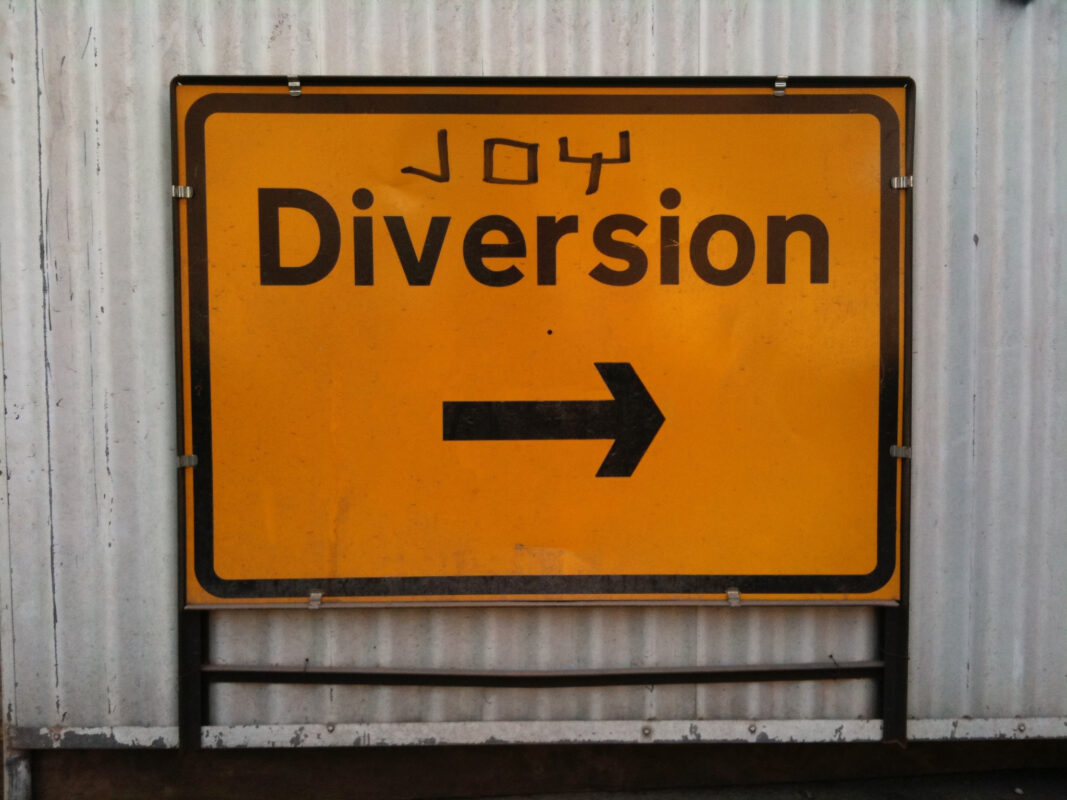
On Saturday 26 September, we brought another group of people together from all over the North West for a day of exploring, wandering and general high jinks. We have been
01
Oct
Oct
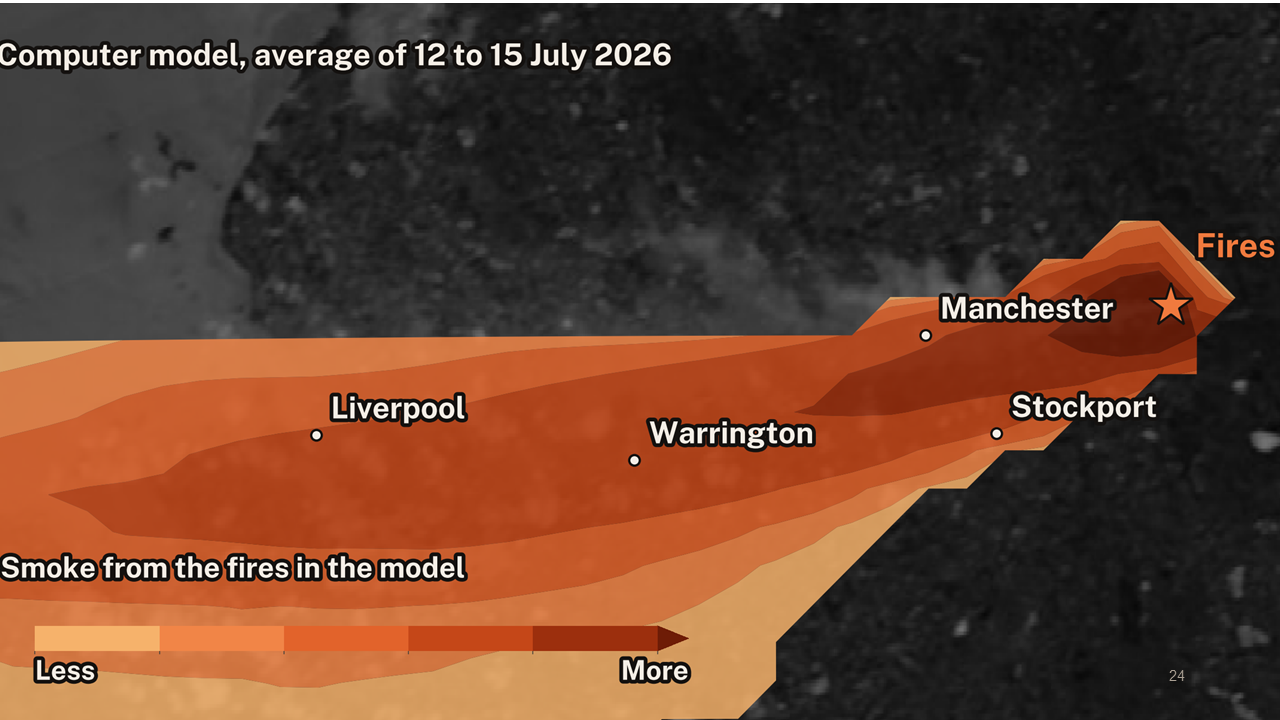
It likely won’t have escaped anyone’s attention that there were significant wildfires during the extreme heat this summer in the UK. So at September’s Open Data Night, we were lucky

01
Oct
Oct
Last week, we welcomed Dr Jenny Andrew from the Prospect trade union and Jon Daley from housing regeneration company G2M to the LCR Data Community of Practice to discuss misunderstanding
29
Sep
Sep
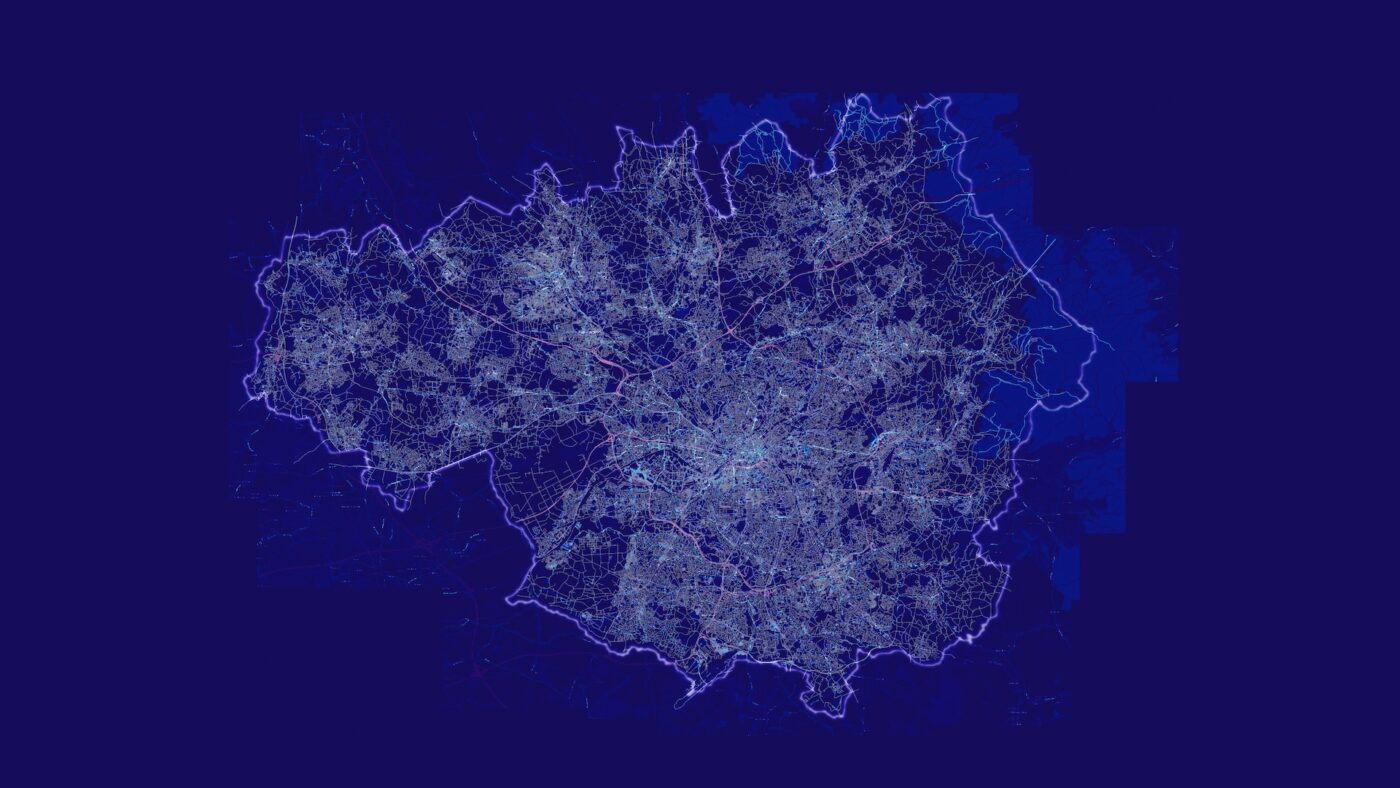
The Greater Manchester Digital Blueprint is a collaboratively designed strategy for our city region, helping local decision-makers understand what to prioritise when it comes to making the best of digital
24
Sep
Sep
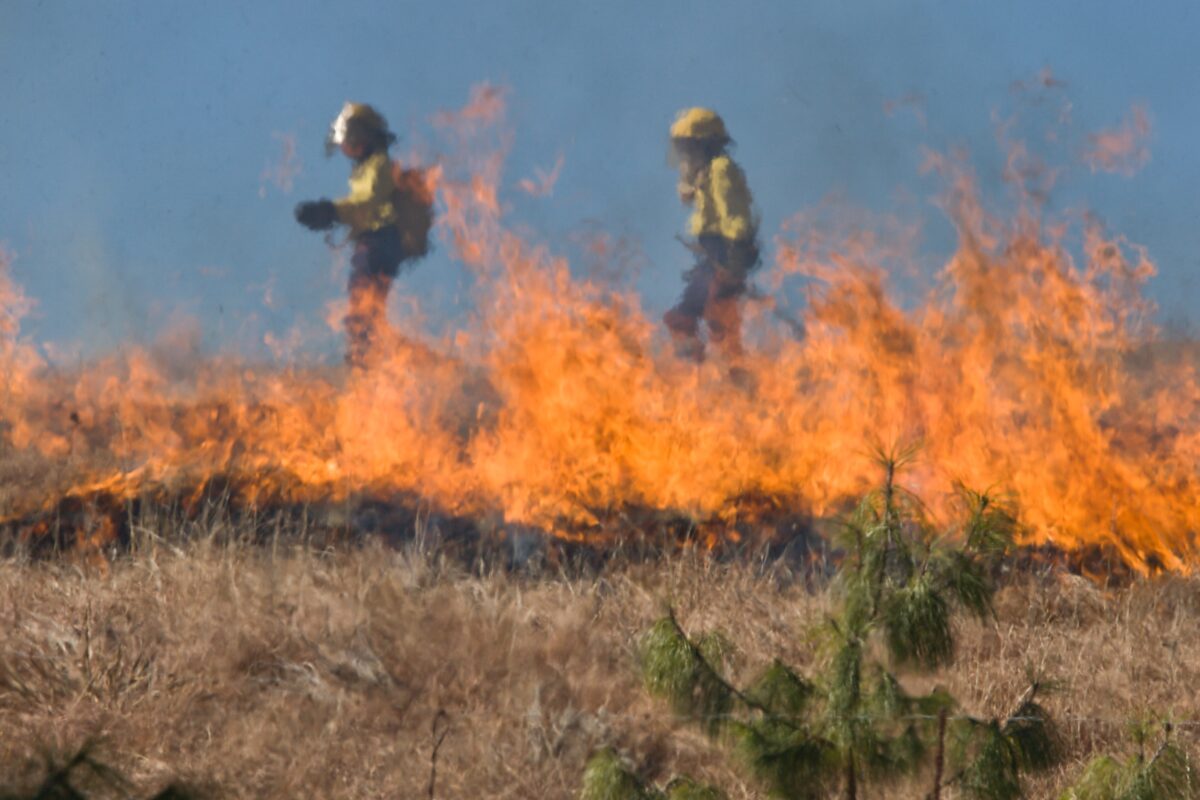
Join us next week to hear how data can help us respond better to UK wildfires After a summer of record temperatures, A&E admissions and time without rainfall, it is
22
Sep
Sep
Open Data Camp is an annual, volunteer-led, two-day unconference that brings together the open data community from across the UK and further afield. It is a place to showcase the
07
Sep
Sep
Over the last three weeks we have organised two events to help people respond to the UK Government’s ongoing calls for evidence and consultations. We have now published read outs
04
Sep
Sep
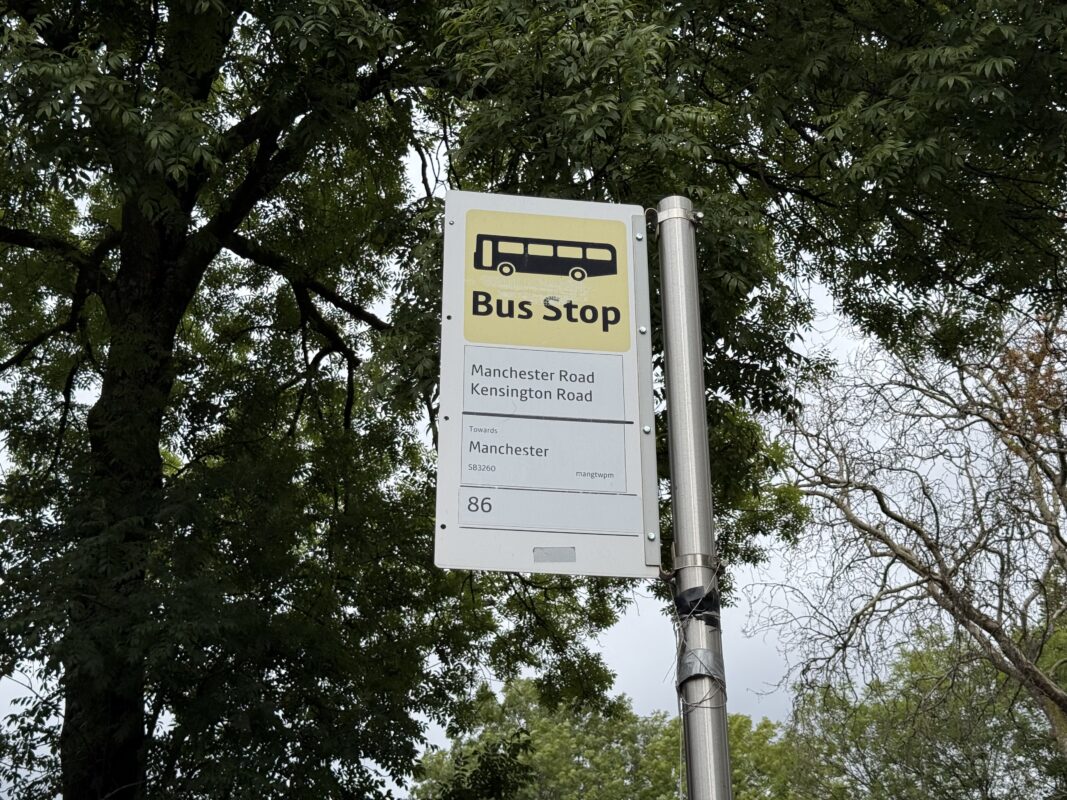
Most of us now check a phone rather than a timetable. Where’s the bus, how long until it comes, is the tram running, what’s the quickest way across town. It
29
Jul
Jul
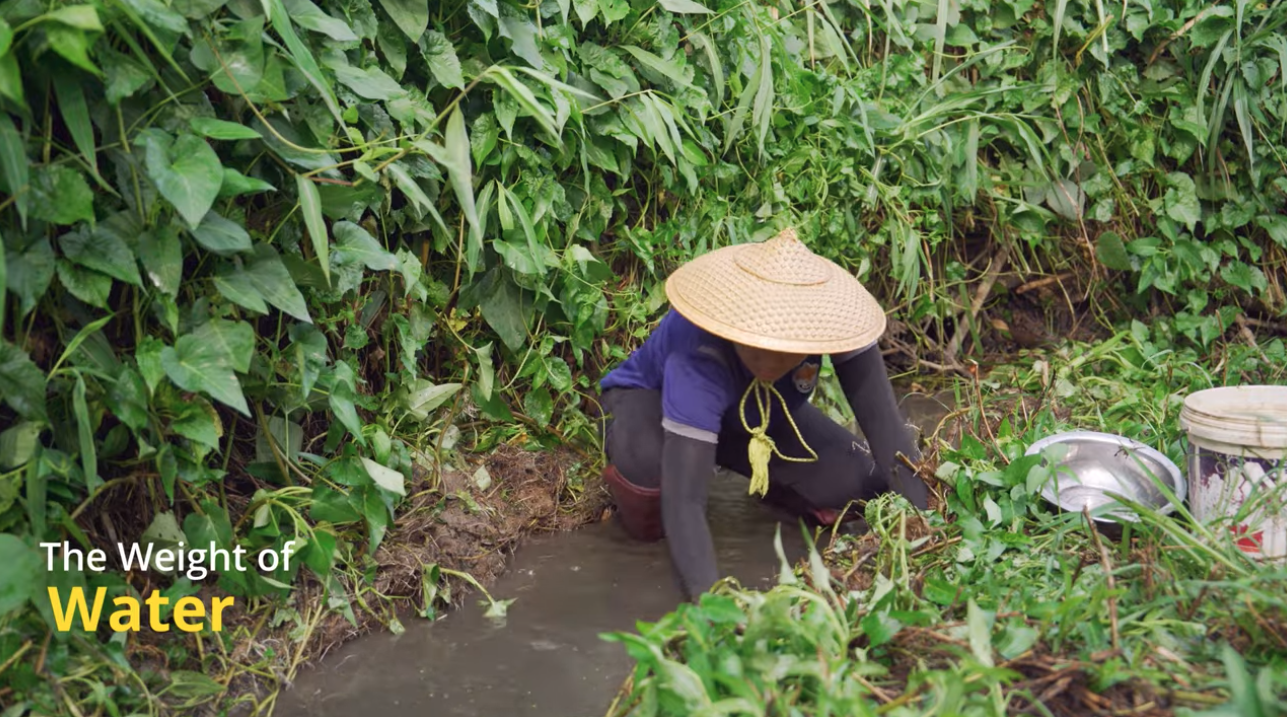
The Data Cooperative Working Group met in July to explore the relationship between data cooperativism and ‘Indigenous Data Sovereignty’. In many non-Indigenous contexts, data cooperatives focus on the rights of
03
Jul
Jul
Building a common language and shared understanding Unless you are one of the world’s growing group of news avoiders, it cannot have escaped your notice that people are talking about